Pégase and the end of 2G: what you need to know
By SMT Performances | 18/03/2026
The gradual phase-out of 2G in France directly affects Pégase, which runs on this network. This article explains why operators are retiring these older technologies, what changes in practice, and what options exist going forward.
Why are operators shutting down 2G and 3G?
The retirement of 2G and 3G is part of a broader strategy by mobile operators, who own these networks. This is not unique to France: many countries are moving in the same direction. The schedule is public and monitored by Arcep, and documented by organisations such as Orange or France Num.
The reasons are fairly straightforward. 4G and 5G offer better security and performance. 2G carries only a tiny share of traffic today, yet still ties up technical resources. Network equipment vendors are moving away from it. And the freed spectrum can be used to improve coverage and speeds on current networks.
What does this mean for Pégase and 2G trackers?
Pégase operates on the 2G network. As long as that network remains available, the tracker can keep communicating. But wherever 2G is switched off, the tracker will stop working.
For the user, this can feel like a hardware fault, even though the unit may be fine: the network it relied on is disappearing. Because the shutdown is progressive by area and operator, a tracker may still work in some places, then fail to communicate where the network has been turned off.
2G shutdown schedule from 31 March 2026
- 31 March 2026: in Bayonne, Anglet and Biarritz
- 12 May 2026: in departments 64 (Pyrénées-Atlantiques) and 40 (Landes)
- 9 June 2026: in departments 47, 46, 32, 65, 31, 82 and 09
- From late September to late December 2026: rollout across mainland France
- 2G shutdown in very dense areas: 15–30 November 2026
- Full 2G shutdown: mainland France between 1 and 15 December 2026
- 15 November 2026: in Brest, Guipavas, Nancy (54000 and 54100) and Vandœuvre-lès-Nancy
- 1–15 December 2026: rollout across mainland France
See the official 2G shutdown schedule
Which 4G tracker should replace Pégase?
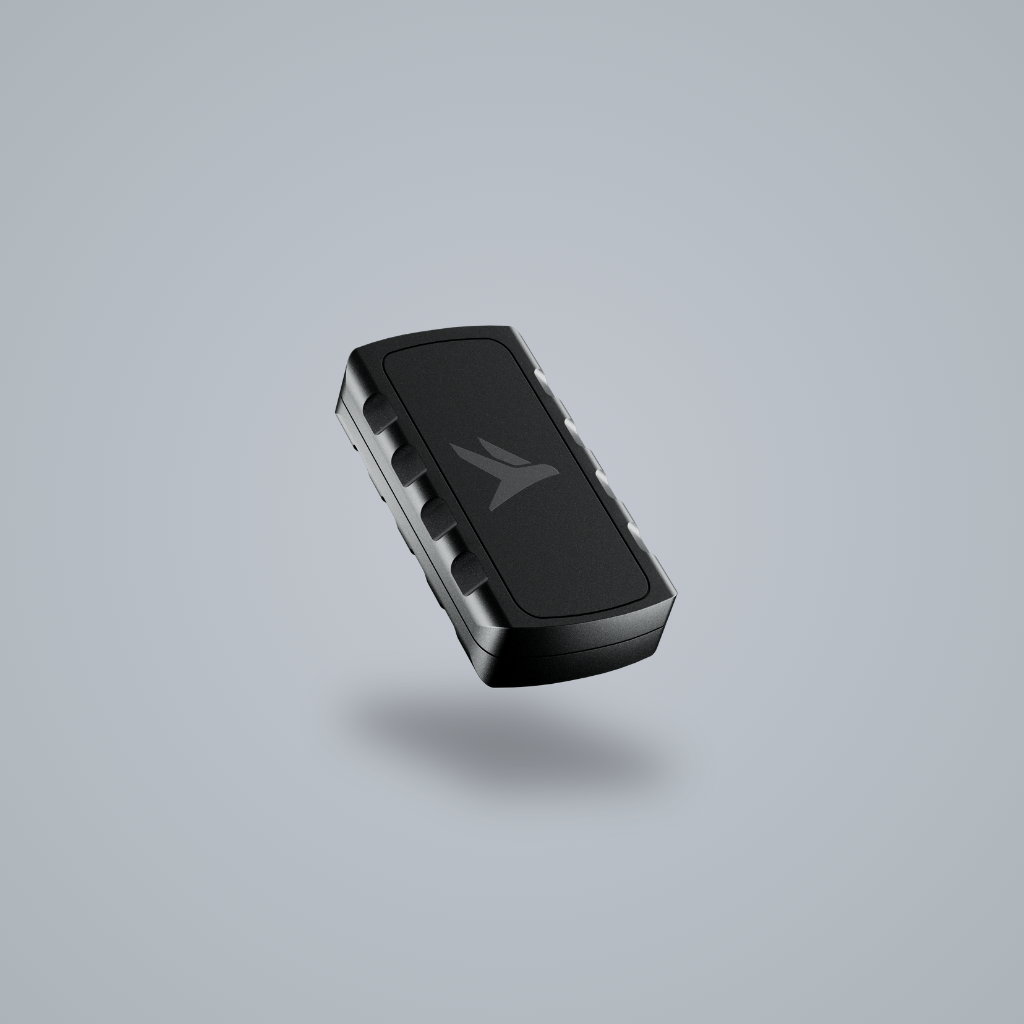
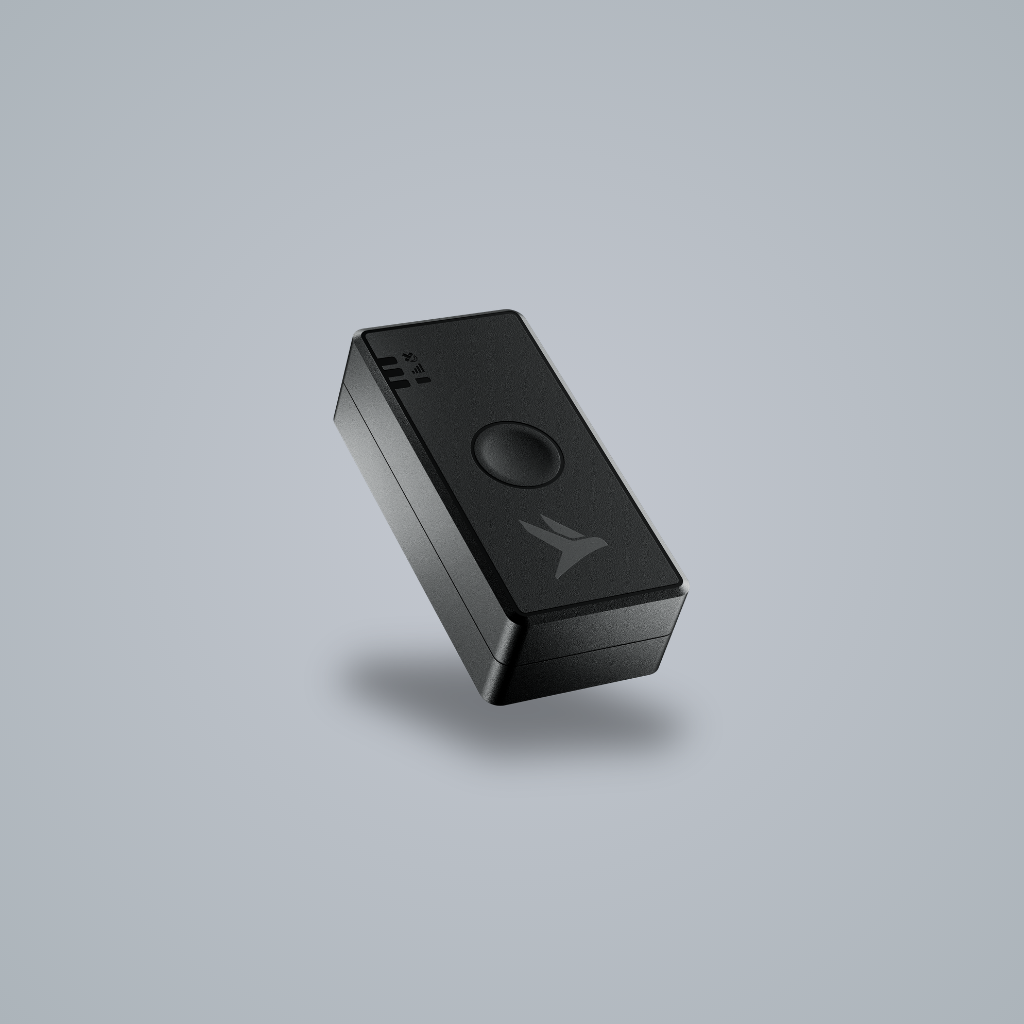
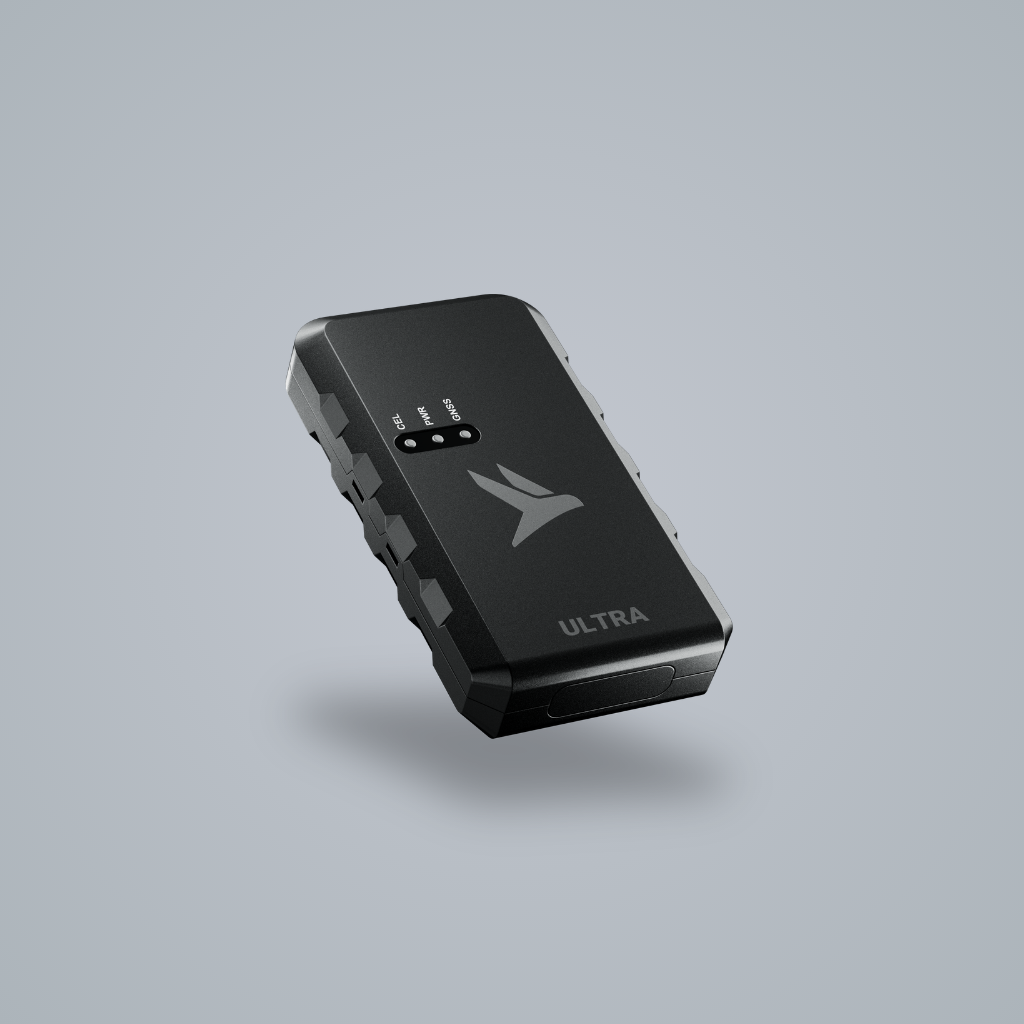
To succeed Pégase, a new range of 4G GPS trackers was developed: Flashbird. It covers the same core expectations for a GPS tracker, with technology built for today’s networks and more recent features.
Like other 4G trackers, a subscription is required for service. The entry price shown is €2.41 per month when billed annually, or €2.99 per month when billed monthly.
Flashbird One (99€) is the closest model to Pégase in everyday use. It includes essentials such as anti-theft alerts, live tracking and trip history. Its backup battery also provides more range after disconnection—up to 500 km or 7 days, compared with roughly 100 km or 24 hours for Pégase. It also uses 4G and a more precise GPS receiver.
Flashbird Air (169€) runs on a rechargeable internal battery. It offers the same core features as Flashbird One, with battery life of up to one year before a USB recharge. It suits vehicles without a battery, or users who prefer a model without wiring.
Flashbird Ultra (299€) is the most complete model in the range. It adds features such as indoor-style positioning where possible, active jamming detection, crash detection with automatic emergency calling, and a backup battery rated up to 2000 km or 3 months after disconnection.
Replacement offer and next steps
Pégase has not been sold for several years, but transition offers are in place for existing users. Moving from Pégase to the new series, the discounts are €40 on Flashbird One (public price €99), €50 on Flashbird Air (€169) and €70 on Flashbird Ultra (€299). Moving from Flashbird Original to the new series, the discounts are €10, €10 and €40 on those three models respectively.
If you still use a Pégase, the simplest approach is to plan ahead before 2G shutdown reaches your area. The right model depends on your vehicle, how you use it, and your budget.
Upgrade offers
From Pégase to the new Flashbird range
From Flashbird Original to the new Flashbird range
Frequently asked questions
Article published by SMT Performances on 18/03/2026